
Washington National Cathedral Lays Its Foundation Stone
On September 29, 1907, the foundation stone of Washington National Cathedral was laid on Mount Saint Alban. President Theodore Roosevelt took part in the ceremony.
Published · Updated · 3 min read
A Ceremony on Mount Saint Alban
On September 29, 1907, the foundation stone of Washington National Cathedral was laid on Mount Saint Alban. President Theodore Roosevelt took part in the ceremony. The site overlooked a federal city still developing its collection of national institutions and monuments. The service marked the beginning of physical construction on a project promoted for years by Episcopal leaders. It did not open a completed cathedral; the building visible today would require generations of work. In 1907, visitors were looking at a foundation and being asked to imagine the scale and purpose of the structure above it.
A National Role and an Episcopal Identity
The cathedral's formal dedication is to Saints Peter and Paul. Its national name signals a civic ambition, while the cathedral itself belongs to the Episcopal Church. A congressional charter for the Protestant Episcopal Cathedral Foundation preceded the ceremony, but the building was a church project supported by donations rather than a federal monument built on a congressional construction schedule. That distinction helps explain the length of the undertaking. Raising money, finding skilled workers and completing usable portions of the building were obligations that returned repeatedly as the project grew.
Two Places Joined by One Stone
The cathedral's account of the foundation stone connects it with Bethlehem. A piece of stone from near Bethlehem was set into American stone, giving the object both a religious association and a local material setting. Its importance was ceremonial as well as structural. People at the service could see a physical pledge that a building was intended to rise there. The stone also expressed the religious argument for the project in a form that could survive the speeches and remain in place as work proceeded over subsequent decades.
How the Building Grew
The cathedral was built in stages in a Gothic idiom, with pointed arches, vaults, towers and extensive carving. That manner of building called for specialized work and made the sequence of construction visible. Portions could be used before the entire exterior was finished. The gap between the laying of the foundation stone and the completion ceremony in 1990 was eighty three years. Reading that span as a single uninterrupted construction job would hide the different campaigns, budgets and historical circumstances that shaped what was actually built.
What to Picture in 1907
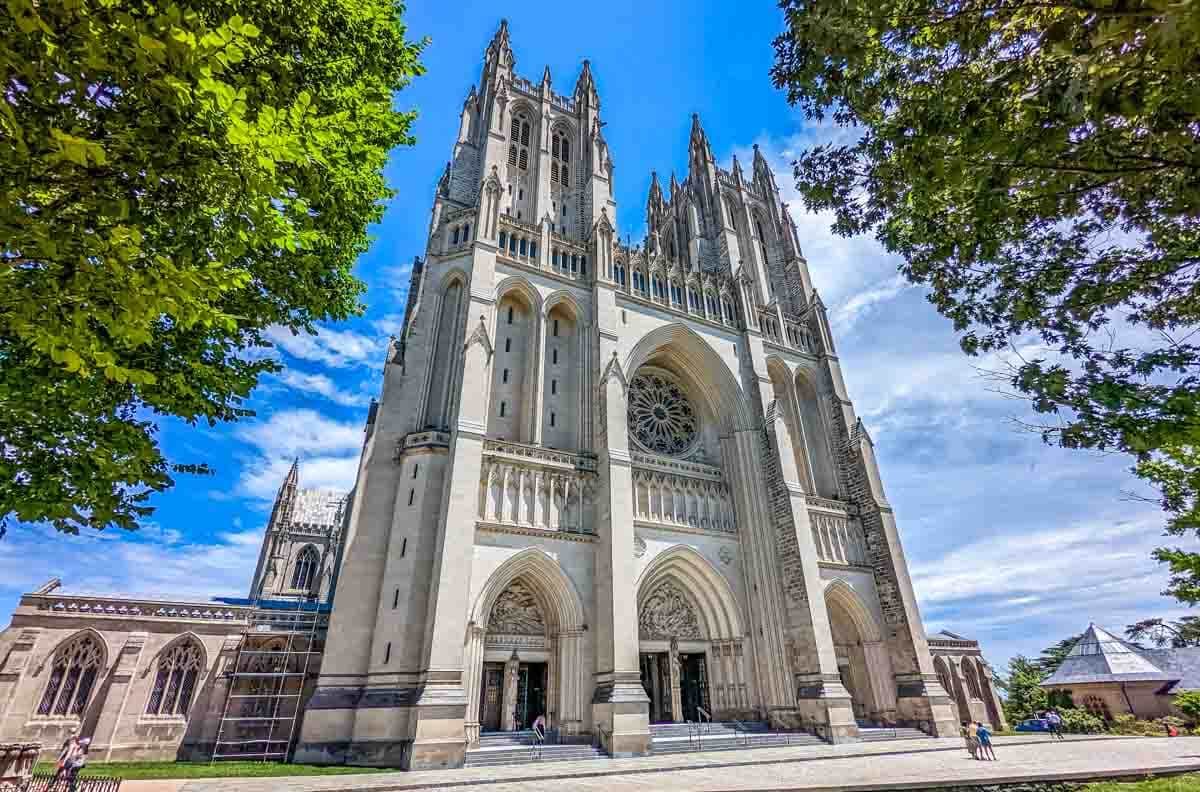
The completed west front and the familiar towers belong to later phases. A scene of the foundation ceremony should show an outdoor gathering and an early building site, with the stone as the principal object. The cathedral's later national services help explain the ambition behind the ceremony, but they do not belong in the same image. The 1907 milestone is the beginning of a long public promise: enough people committed themselves to a place and a building that work could pass from one generation of builders to the next.
Sources
Found an error? Send a correction. Read our editorial standards.