When Cabrillo's Ships Entered San Diego Bay
On September 28, 1542, Juan Rodríguez Cabrillo's expedition entered the bay now known as San Diego Bay. The area was already the homeland of the Kumeyaay people.
Published · Updated · 2 min read
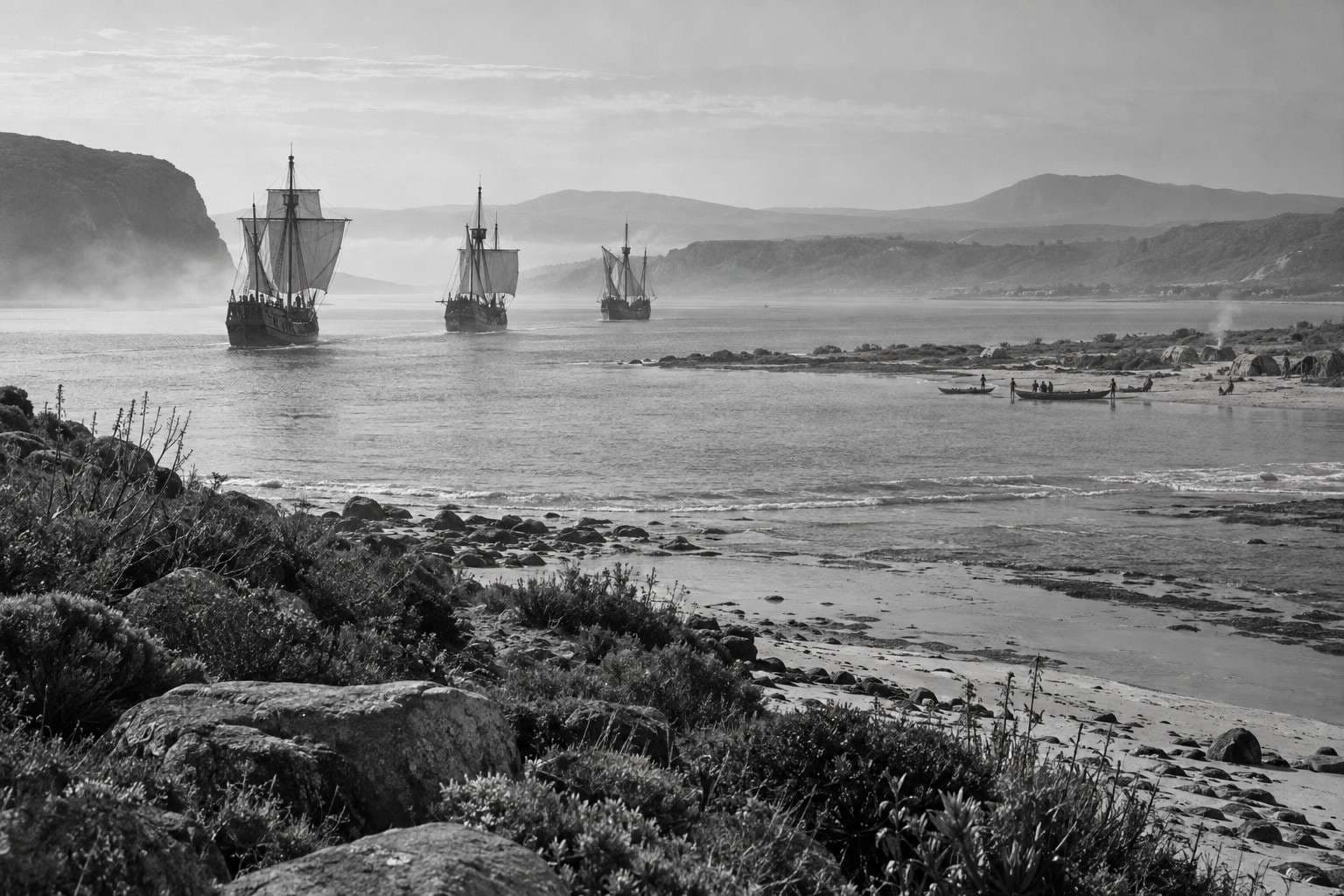
A voyage north
Juan Rodríguez Cabrillo sailed north from Mexico along the Pacific coast. On September 28, 1542, his expedition entered a sheltered harbor in what is now Southern California.
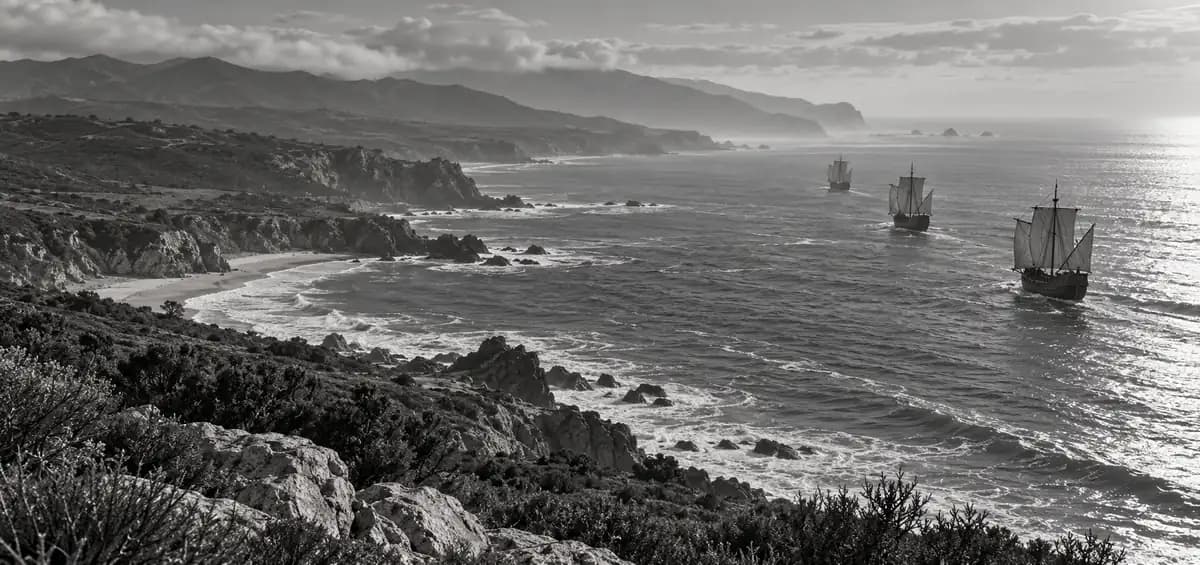
A bay with a long history
The ships had arrived in the homeland of the Kumeyaay people, who had lived in the region for thousands of years. Cabrillo's arrival is a moment in the bay's recorded European history, not the beginning of its human history.
What was the bay called?
Cabrillo named the harbor San Miguel. The name San Diego was applied later, during Sebastián Vizcaíno's voyage in 1602.
Why September 28 matters
The date marks the expedition's arrival in a bay that would later become central to the history of San Diego. Its full story includes both the voyage and the Indigenous communities already living there.
What the expedition was looking for
The voyage was part of Spanish exploration along the Pacific coast of North America. Cabrillo departed from Navidad in New Spain, now Mexico, in June 1542. Entering the bay was one stage in a journey that continued north, rather than the founding of a city on the spot.
Reading the record carefully
The National Park Service distinguishes the expedition’s documented arrival from the much longer history of Kumeyaay communities. That distinction matters when the voyage is described as a discovery: it made the harbor known to Europeans, but people already knew, inhabited and used this landscape. The modern name San Diego also belongs to a later expedition, not Cabrillo’s original naming.
Sources
Found an error? Send a correction. Read our editorial standards.