The Siege of Yorktown Begins
On September 28, 1781, American and French forces advanced on Yorktown and began surrounding the British army. The campaign would lead to one of the most consequential victories of the American Revolution.
Published · Updated · 2 min read
The march to Yorktown
On September 28, 1781, the allied American and French army marched from Williamsburg toward Yorktown, Virginia. British forces under General Charles Cornwallis held defensive positions there.
Closing in
The allied troops began surrounding the British positions. French naval forces also prevented British reinforcements or an easy escape by sea. The siege developed over the following days.
The outcome
Cornwallis surrendered in October 1781. The victory at Yorktown dealt a decisive blow to Britain's effort to defeat the American Revolution, although the war formally ended later.
Why September 28 matters
This was the day the allied army reached Yorktown and began investing the British defenses. The surrender was still weeks away: September 28 marks the start of the siege, not its end.
How a siege worked
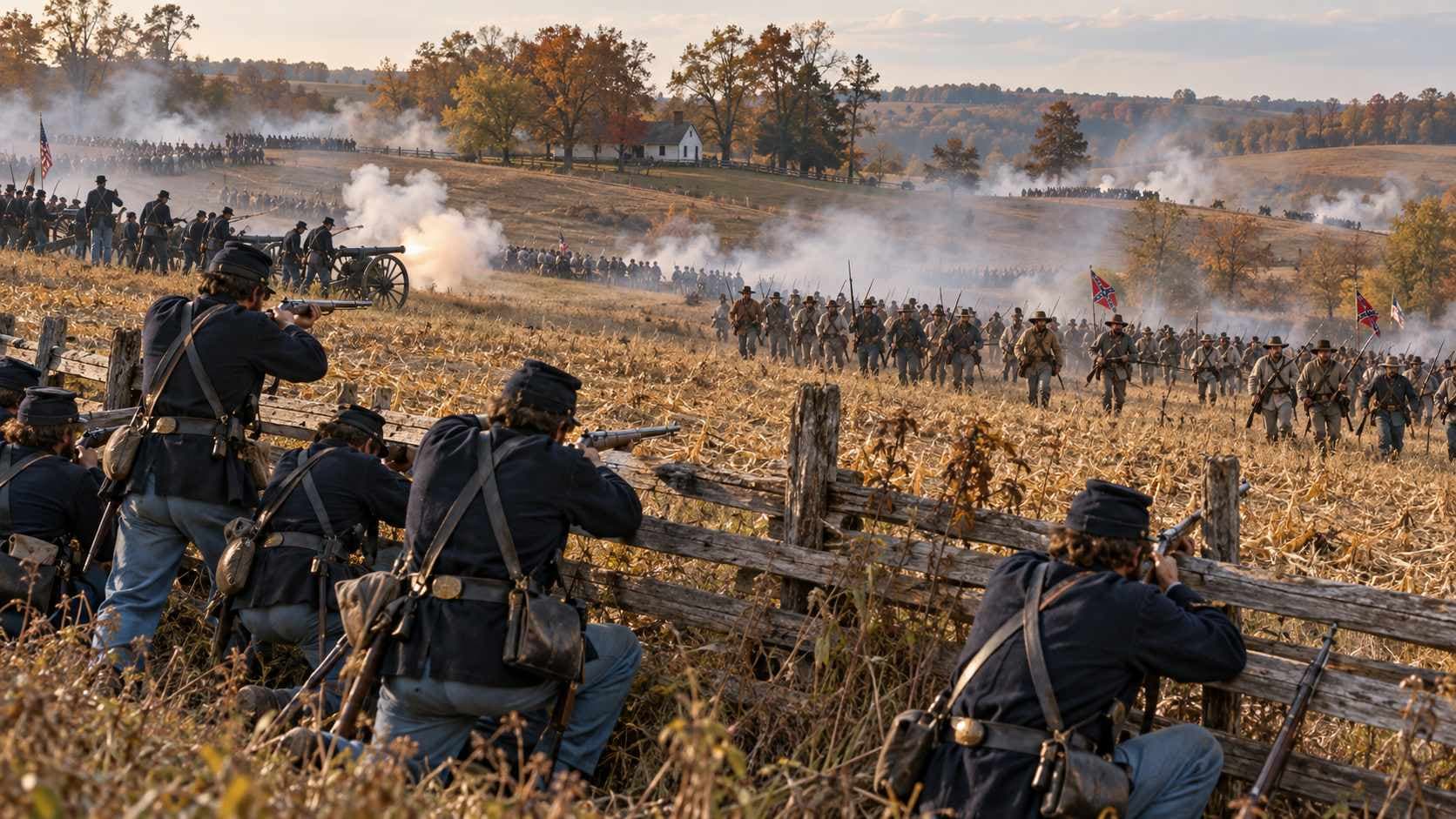
The allies did not win simply by arriving outside the town. Engineers and soldiers gradually brought trenches and artillery closer to the defenses. The first siege line was dug on October 6; batteries opened fire on October 9. Taking Redoubts 9 and 10 on October 14 allowed the second line to be completed and guns to move nearer.
A joint victory with a later peace
Land operations and the French naval blockade reinforced one another. Cornwallis could not count on a timely rescue, and his attempted withdrawal across the York River failed in a storm. The British garrison laid down its arms on October 19. Yorktown made continued British victory much less likely, but surrender there was not itself the formal treaty ending the war.
Sources
Found an error? Send a correction. Read our editorial standards.