The Photographs That Revealed Soviet Missile Sites in Cuba
On October 14, 1962, a U-2 reconnaissance flight captured photographs that provided verified evidence of Soviet offensive missile sites in Cuba.
Published · Updated · 1 min read
Watching Developments in Cuba
Throughout 1962, American officials monitored Soviet personnel and equipment arriving in Cuba. Reconnaissance photography helped intelligence specialists assess the military installations being developed on the island.
The October 14 Mission
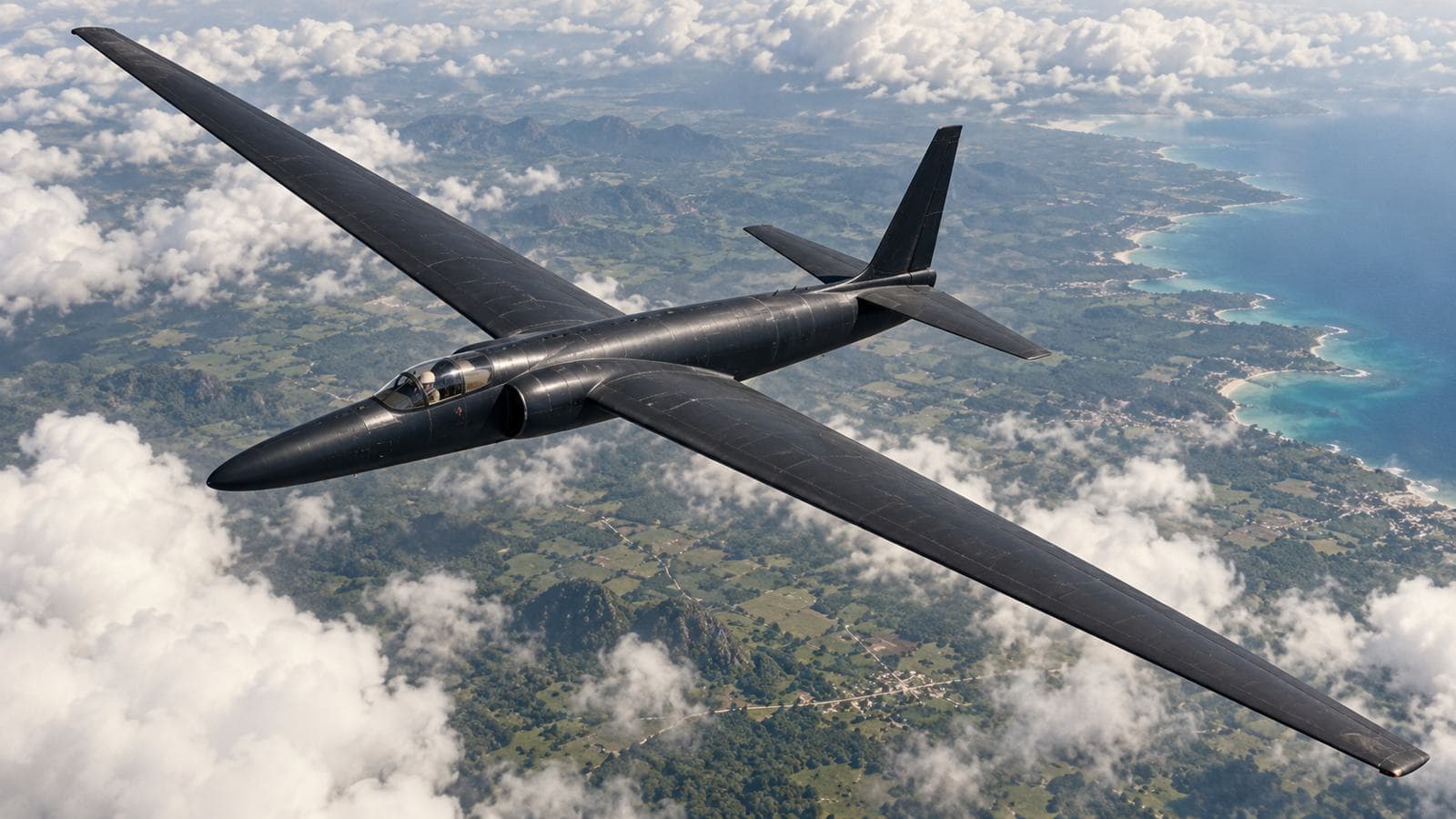
On the morning of October 14, U.S. Air Force Major Richard D. Heyser flew a U-2 reconnaissance mission over western Cuba. The aircraft’s cameras recorded photographs that would become crucial evidence.
What the Photographs Revealed
Analysts examining the images identified Soviet medium-range ballistic missile sites under development near San Cristóbal. Missile transporters and launching equipment helped establish the purpose of the installations.
Photography Came Before the Decisions
October 14 marks the day the photographs were taken. Their analysis and the American leadership’s response followed afterward. These separate stages should not be compressed into a single moment of immediate recognition.
A Nuclear Confrontation Takes Shape
The images provided verified evidence of Soviet offensive missile installations in Cuba. They became central to the intelligence behind the Cuban Missile Crisis and the confrontation between Washington and Moscow.
Why the Images Endure
The photographs illustrate how intelligence collection and interpretation can influence international decisions. Their significance depended not only on the aircraft that obtained them but also on the specialists who recognized what they showed.
Sources
Found an error? Send a correction. Read our editorial standards.