The First Stone of Washington National Cathedral
On September 29, 1907, the foundation stone of Washington National Cathedral was laid. The final stone would be placed exactly 83 years later.
Published · Updated · 2 min read
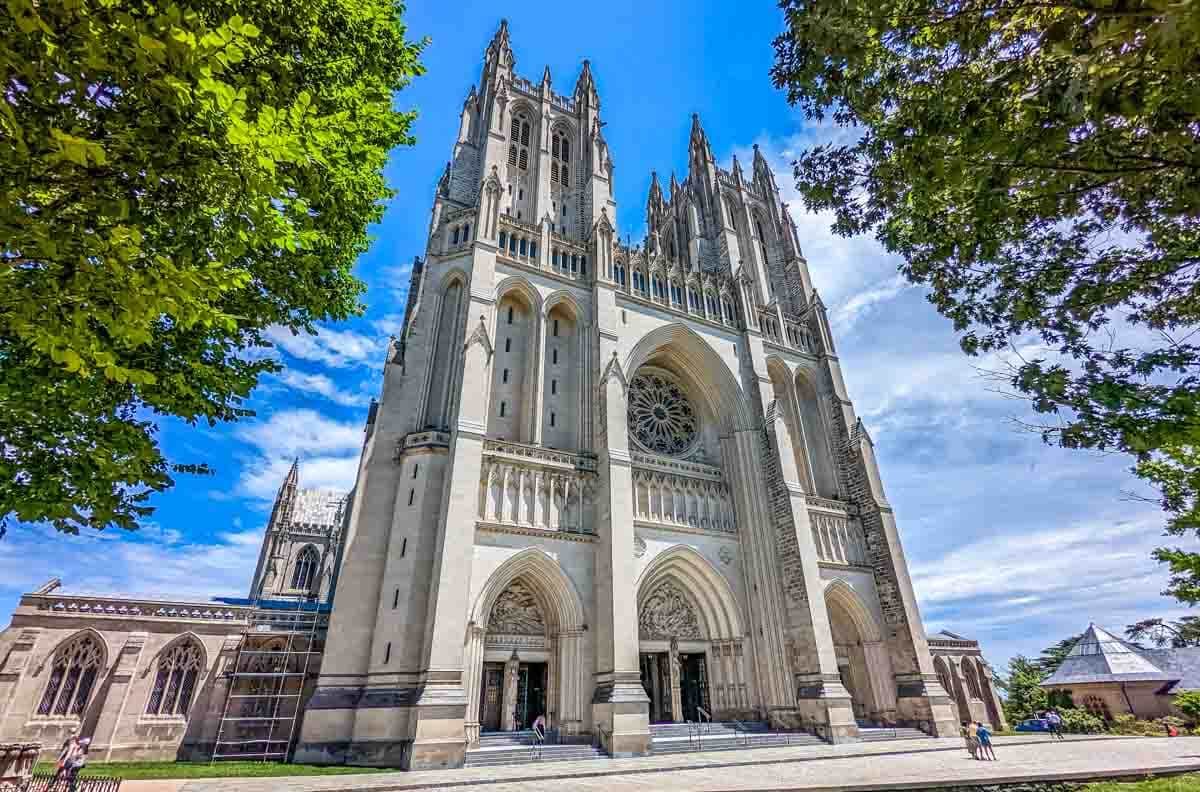
A Cathedral Begins with One Stone
On September 29, 1907, a crowd gathered on Mount St. Alban in Washington, D.C. Workers laid the foundation stone for a cathedral that did not yet exist beyond plans and ambition. President Theodore Roosevelt was present for the ceremony. The original construction project would continue for 83 years.
An Idea Older Than the Building
The idea of a great church for national purposes had appeared in Pierre L’Enfant’s early plans for the capital. In 1893, Congress granted a charter for a cathedral devoted to religion, education, and charity. More than a decade later, the foundation ceremony turned that long-standing idea into a construction project.
Built Across Generations
Construction continued through two world wars, the Great Depression, and enormous changes in American life. Stone walls, windows, and towers gradually rose above the city. The building’s Gothic design required skilled work on a vast scale; its main structure was built of masonry rather than a supporting steel frame.
The Same Date, 83 Years Later
On September 29, 1990, President George H. W. Bush oversaw the placement of the final stone atop the cathedral’s towers. The date was exactly 83 years after the foundation stone had been laid. What began as a ceremony on an open hill had become one of Washington’s most recognizable landmarks.
More Than a Monument
Officially named the Cathedral Church of Saint Peter and Saint Paul, Washington National Cathedral remains an active Episcopal church. Its story is also a reminder that some projects are begun by people who know they may never see them finished.
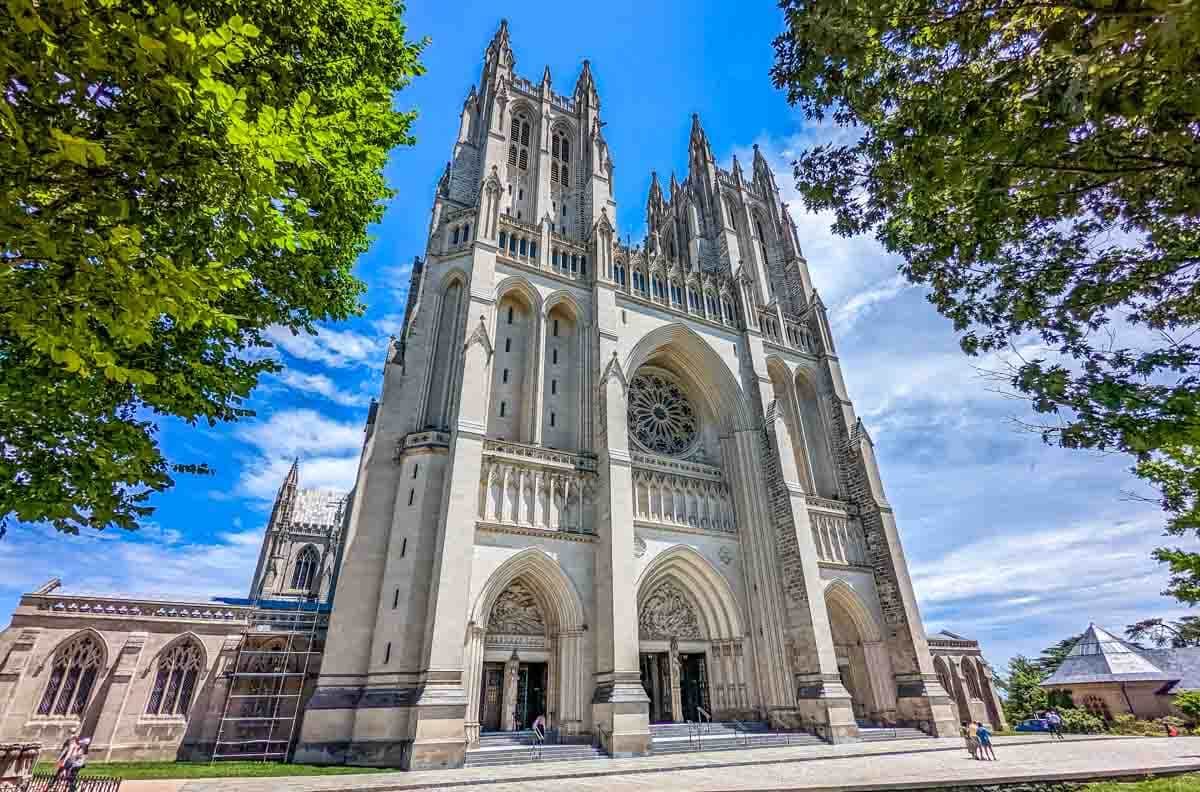
A working church before completion
The building did not wait until 1990 to have a religious and public life. Bethlehem Chapel opened for services in 1912, the central tower was dedicated in 1964, and the nave and west rose window were completed in 1976. These intermediate milestones explain how a project lasting 83 years could serve people while construction continued.
What “national” means here
Its national role should not be mistaken for federal ownership or funding. The cathedral describes itself as an Episcopal church supported by donors, without direct financial support from the federal government or a national church body. Completion refers to the original construction project; an active stone building still requires maintenance and restoration.
Sources
Found an error? Send a correction. Read our editorial standards.