
Britain Suspends the Death Penalty for Murder
The Murder (Abolition of Death Penalty) Act received royal assent on November 8, 1965. It suspended the death penalty for murder in Great Britain for five years, and Parliament made the change permanent in 1969.
Published · Updated · 3 min read
The Law Before 1965
Until the 1950s a conviction for murder in Britain carried a mandatory sentence of death. The Homicide Act 1957 limited the penalty to certain kinds of murder, such as murder in the course of theft, murder by shooting or explosion, murder to resist arrest, murder of a police or prison officer, and a second murder. Public debate over the death penalty continued, and cases such as that of Timothy Evans, who was hanged in 1950 and received a posthumous pardon in 1966, were cited by those who wanted it ended.
The Silverman Bill
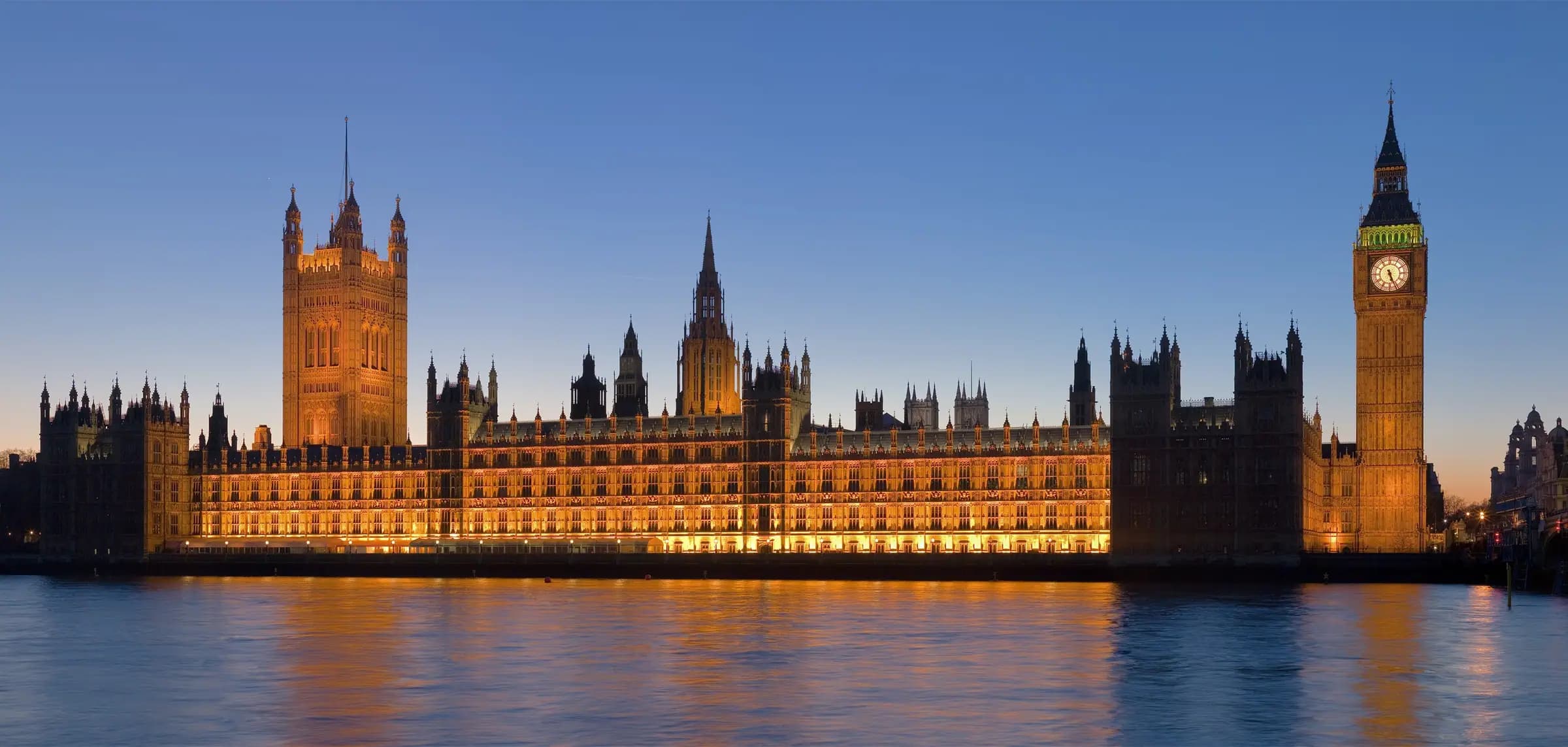
Sydney Silverman, a Labour member of Parliament, had proposed abolition in earlier years, and in 1964 he introduced a private member's bill. After the October 1964 general election, which brought a Labour government under Harold Wilson to power, the House of Commons passed the bill, and the House of Lords did so in 1965. The Act received royal assent on November 8, 1965, and took effect the next day. An amendment proposed by the Conservative former Home Secretary Henry Brooke provided that it would expire after five years unless both Houses of Parliament voted to continue it.
What the Act Changed
The Act replaced the death sentence for murder with a mandatory sentence of life imprisonment. It applied to England, Scotland and Wales. Northern Ireland was not covered, and the death penalty for murder there was abolished in 1973. The last executions in Britain had taken place on August 13, 1964, when Peter Allen was hanged at Walton Prison in Liverpool and Gwynne Evans at Strangeways Prison in Manchester. They had been convicted of the murder of John West.
Making It Permanent
In 1969 the government proposed to confirm abolition before the five years had passed. The House of Commons voted on the matter in December 1969, and the House of Lords debated and voted on it later the same week. The Act then continued in force without an expiry date. Capital punishment remained available in Great Britain for a few other offences, such as treason, piracy with violence and certain offences under military law, until 1998. In that year Parliament removed these as well, and in 2004 the United Kingdom ratified Protocol 13 to the European Convention on Human Rights, which prohibits the death penalty in all circumstances.
Earlier Reviews of the Law
A Royal Commission on Capital Punishment, appointed in 1949, reported in 1953 and recommended changes to the law but did not propose ending the penalty. The execution of Ruth Ellis on July 13, 1955, who was the last woman to be hanged in Britain, was followed by public discussion of the death penalty, and the Homicide Act of 1957 was passed in that context. Debates in Parliament on the question were usually conducted as free votes, in which members voted according to conscience and not the party line.
Sources
Found an error? Send a correction. Read our editorial standards.