USS Nautilus Enters Commission
On September 30, 1954, USS Nautilus was commissioned at Groton, Connecticut. Its hull and crew looked like parts of a recognizable naval institution, but its source of propulsion opened a different set of possibilities.
Published · Updated · 3 min read
A New Kind of Submarine Joins the Fleet
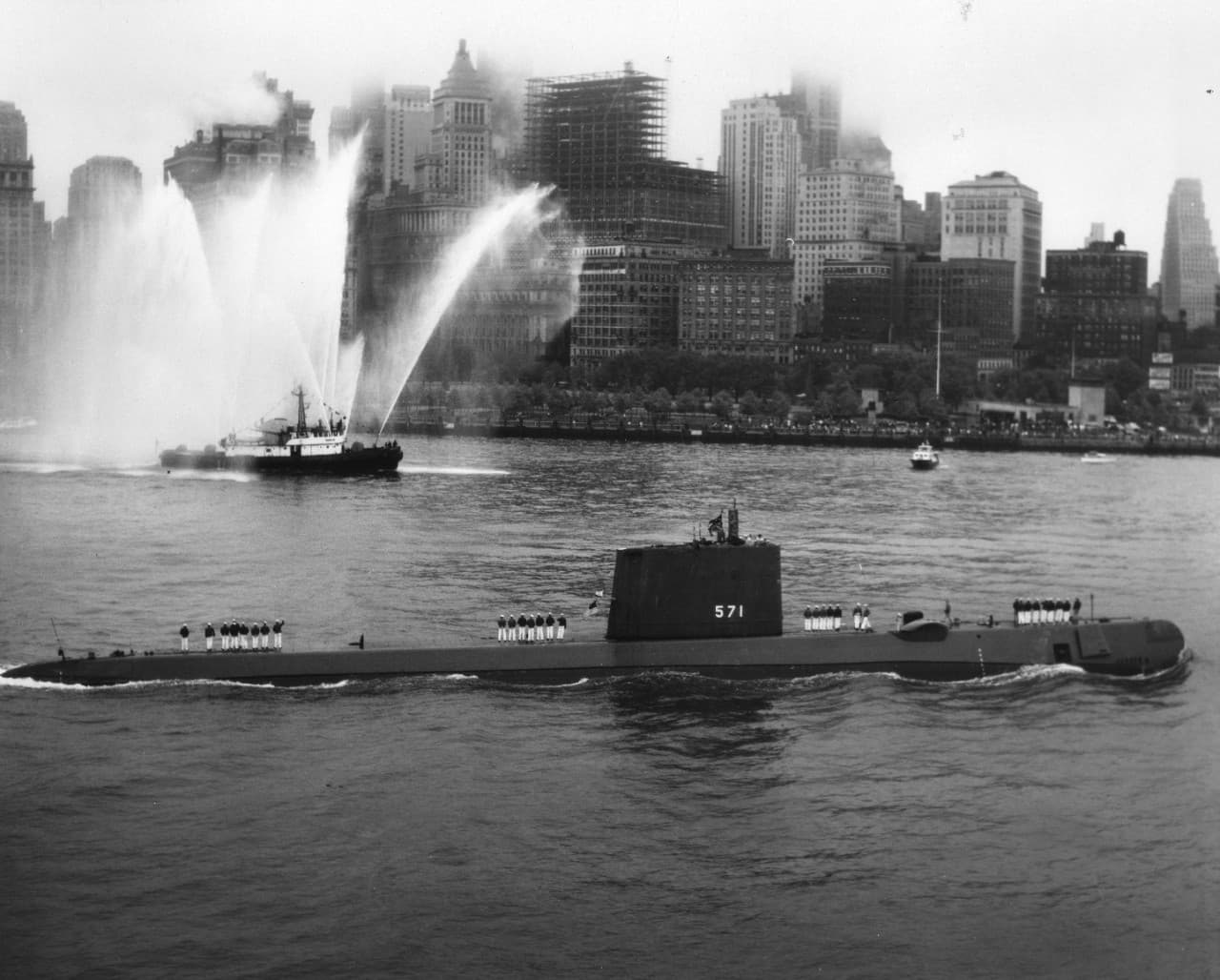
On September 30, 1954, USS Nautilus was commissioned at Groton, Connecticut. Its hull and crew looked like parts of a recognizable naval institution, but its source of propulsion opened a different set of possibilities. Nautilus was the first nuclear powered submarine. A reactor could provide heat for propulsion without drawing oxygen from the air in the way a diesel engine does. The ceremony placed the boat in active naval service, although the celebrated first trip under nuclear power would come several months later.
The Limitation Diesel Boats Worked Around
A diesel electric submarine could run its diesel engines while surfaced or, where equipped, at snorkel depth. Submerged, it ordinarily depended on batteries that needed recharging. Speed and endurance were constrained by the stored energy available, and time spent nearer the surface could increase exposure. A nuclear reactor could generate power during extended submerged operation. Food, maintenance and crew endurance still mattered, but the boat did not have to organize its submerged movements around the same recurring need to recharge from a diesel engine.
Making a Reactor Fit a Boat
Building a naval reactor involved more than proving a chain reaction could produce heat. The plant had to operate in the confined space of a submarine, provide usable power and be manageable by a trained crew. Hyman Rickover was a central figure in the Navy's effort to develop the technology and the organization needed to operate it. Land based testing preceded operation at sea. The transition from experimental machinery to a commissioned vessel depended on procedures, training and inspection as much as on the plant's engineering.
The Dates After the Ceremony
Nautilus got underway on nuclear power on January 17, 1955. Subsequent voyages demonstrated aspects of submerged speed and endurance that conventional practice had not been built around. In August 1958 the submarine passed beneath the geographic North Pole during a submerged transit. That achievement was possible because the boat could stay under ice for long periods without needing to surface to run diesel engines. September 1954, January 1955 and August 1958 describe commissioning, propulsion in use and a later operational demonstration respectively.
What Changed for the Fleet
Nautilus altered expectations about where a submarine could go and how it could behave once submerged. Tactics that assumed a boat would periodically have to come close to the surface were less dependable against a vessel with a different energy supply. The submarine also showed that new advantages brought new institutional requirements, including specialist training and oversight. The September ceremony commemorates the moment those requirements became the Navy's responsibility for a real ship. The implications became visible only when Nautilus began making voyages conventional designs would have found difficult.
Sources
Found an error? Send a correction. Read our editorial standards.