Breaking the Sound Barrier: Chuck Yeager’s Historic Flight
On October 14, 1947, Chuck Yeager piloted the rocket-powered Bell X-1 faster than sound in level flight, opening a new era in aviation research.
Published · Updated · 1 min read
Approaching an Uncertain Threshold
As aircraft approached the speed of sound, pilots and engineers encountered difficult questions about control, stability and structural loads. Understanding these conditions required purpose-built research aircraft and carefully planned experimental flights.
The Bell X-1
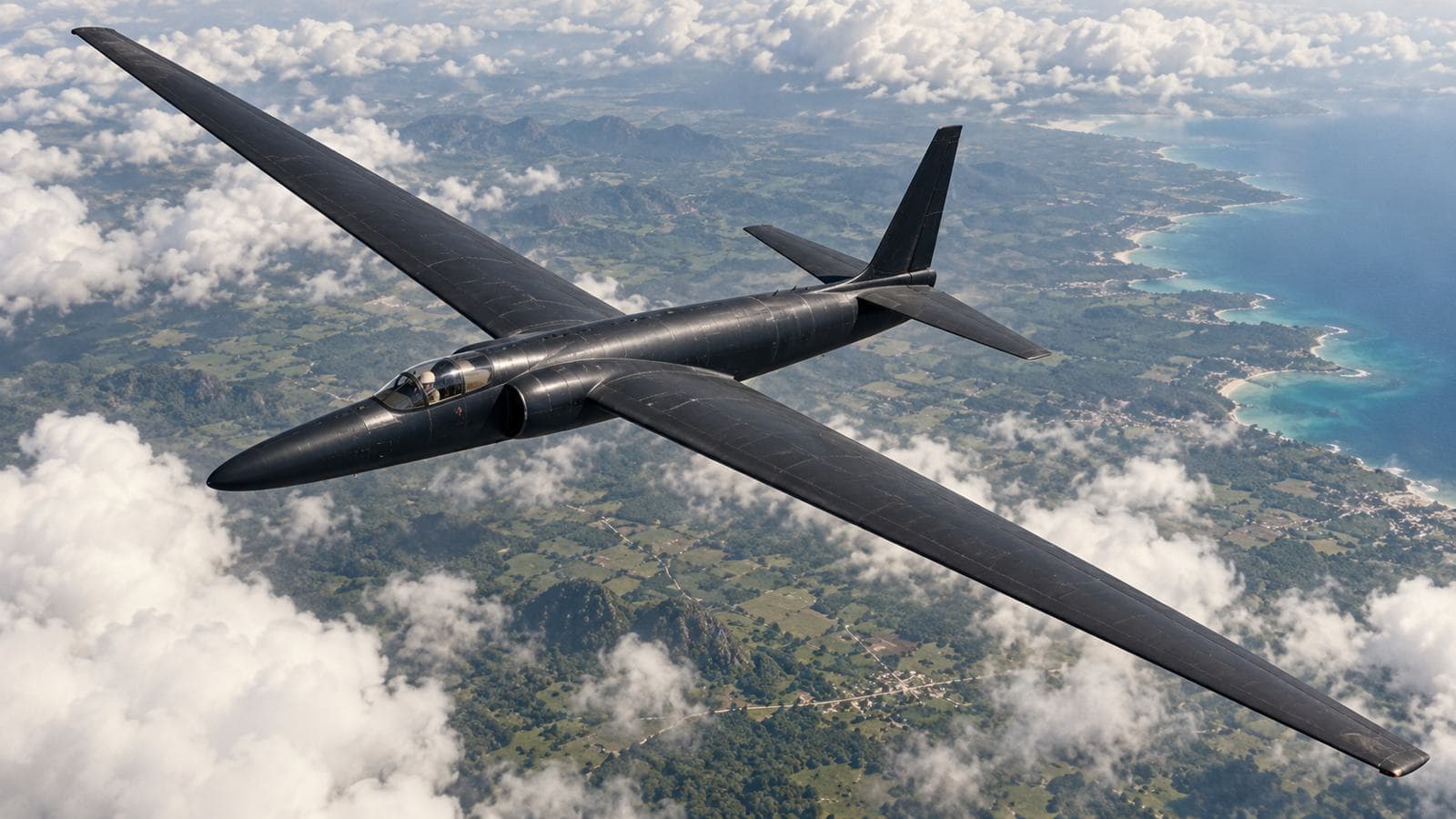
The Bell X-1 was a rocket-powered experimental aircraft developed to investigate high-speed flight. Its compact fuselage and straight wings distinguished it from the swept-wing aircraft that later became familiar symbols of supersonic aviation.
October 14, 1947
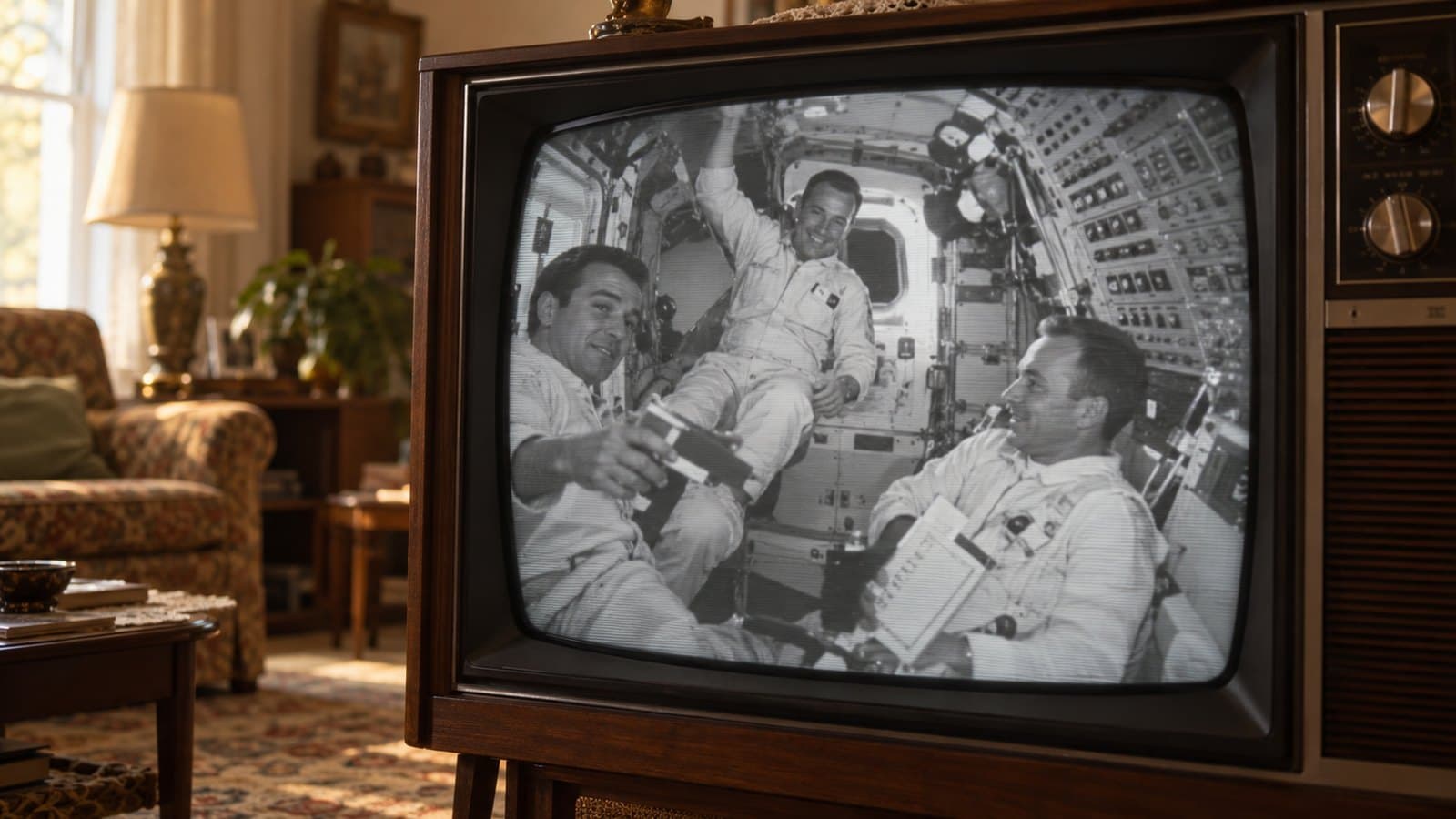
U.S. Air Force Captain Charles “Chuck” Yeager piloted the X-1 over California and exceeded the speed of sound in level flight. The successful flight became a recognized milestone in the history of controlled, piloted supersonic flight.
A Research Program Behind the Moment
The achievement followed a series of flights that progressively explored the aircraft’s performance. Yeager’s milestone was part of a broader effort involving test pilots, engineers and ground crews rather than an isolated attempt at a speed record.
What the Flight Demonstrated
The X-1 showed that a suitable aircraft could cross the sound barrier and remain controllable. The flight provided practical evidence that helped researchers move beyond uncertainty about this demanding flight regime.
A Lasting Aviation Landmark
The flight helped establish supersonic research as a practical field of development. Its importance lay both in the threshold crossed and in the experimental methods that made further advances possible.
Sources
Found an error? Send a correction. Read our editorial standards.