The Ferret Thought Lost to the Wild
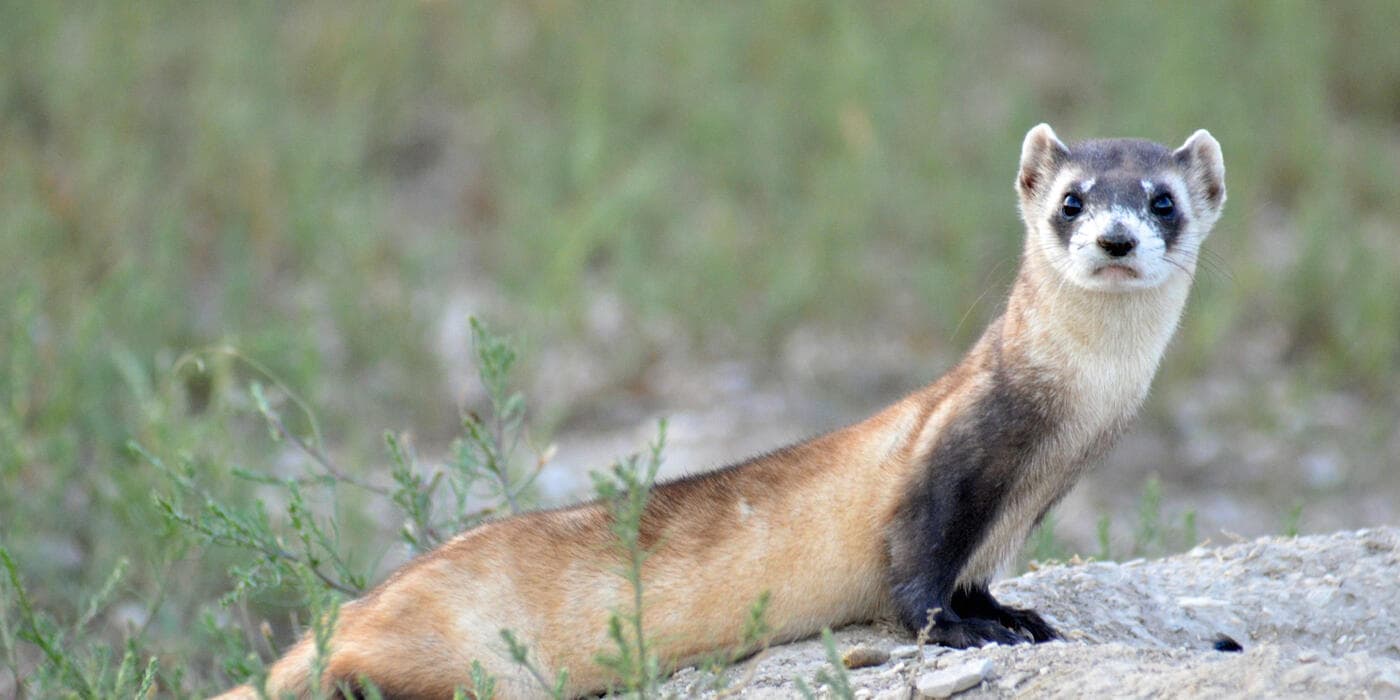
In September 1981, the discovery of black-footed ferrets near Meeteetse, Wyoming, gave conservationists a chance to help a species thought to have disappeared from the wild.
Published · Updated · 2 min read
In September 1981, a small population of black-footed ferrets was discovered near Meeteetse, Wyoming. The species had been thought to have disappeared from the wild.
A second chance
Finding living ferrets gave conservationists an opportunity to study and protect the remaining population. The discovery became a turning point in efforts to recover the species.
The dog that led to a colony
On September 26, 1981, a ranch dog named Shep brought an unfamiliar animal to its owners near Meeteetse, Wyoming. Identification of the animal as a black-footed ferret prompted biologists to search the area. They found a surviving colony, turning an accidental discovery into a chance to investigate a species believed lost.
Rediscovery was not recovery
The colony still faced disease and habitat pressures. Plague and the risk of canine distemper led to an emergency effort to bring remaining animals into human care. Eighteen ferrets were captured for the conservation program. Finding the species alive was the beginning of protection and breeding work, not proof that it was secure.
Why prairie dogs belong in the story
Ferrets depend heavily on prairie dogs as prey and use their burrow systems. Protecting a predator therefore involves protecting the ecological setting that sustains it. The rediscovery is a useful example of how conservation connects animals, habitat, disease monitoring and the people who notice something unusual.
What the date can and cannot tell us
September 26 records the rediscovery associated with the Wyoming population. It does not mean the species reappeared suddenly or came back from literal extinction. The animals had survived without being recognized by scientists; the new evidence changed what people knew.
Sources
Found an error? Send a correction. Read our editorial standards.