Discovery Returns from an Atmospheric Research Mission
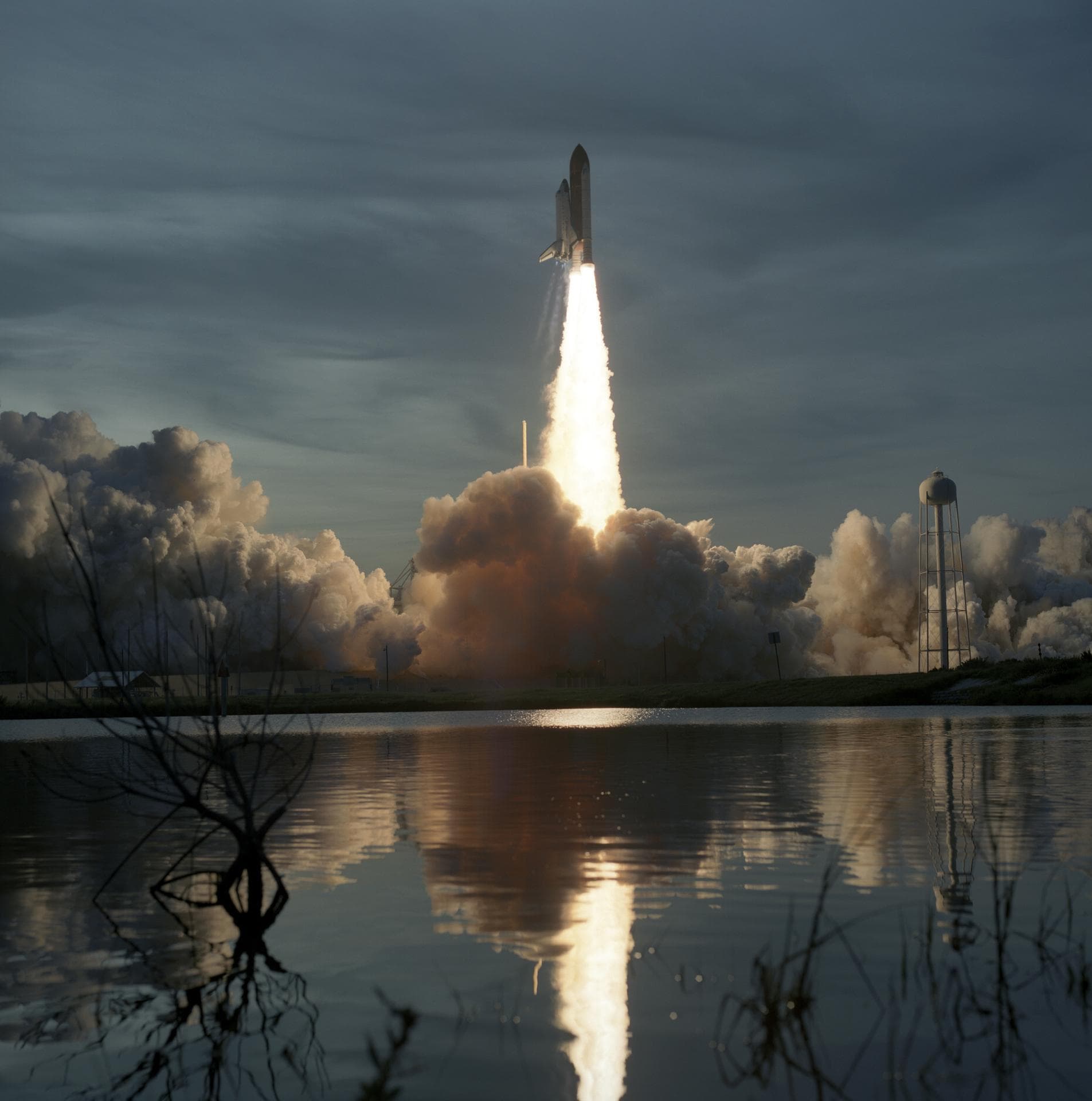
On September 18, 1991, Discovery landed at Edwards Air Force Base after deploying an observatory to study Earth’s atmosphere. Its return to Kennedy Space Center came eight days later.
Published · Updated · 1 min read
A landing in California
Discovery landed at Edwards Air Force Base in California on September 18, 1991, ending STS-48 after about five days and eight hours in space. Weather at the planned Florida landing site led to the California landing.
An observatory left in orbit
The crew deployed the Upper Atmosphere Research Satellite, or UARS, during the mission. It carried instruments to measure atmospheric gases, winds and incoming solar energy. Studying these linked processes helped scientists investigate the upper atmosphere and the ozone layer.
The shuttle returned; the research continued
The five astronauts came home with Discovery, while UARS remained in orbit to collect measurements. Delivering an observatory was one way shuttle missions connected human spaceflight to sustained Earth science. The end of the crew’s flight did not mean that the satellite’s work had ended.
Why two September dates appear
NASA lists September 18 as the landing date and September 26 as Discovery’s return to Kennedy Space Center after transport from California. The second date describes a ground-processing milestone, not the crew’s return from orbit. Earlier versions of this article confused the two; the event date and landing location have been corrected.
Sources
Found an error? Send a correction. Read our editorial standards.