A Raid Becomes the Battle of Mogadishu
On October 3, 1993, U.S. forces launched a raid in Mogadishu, Somalia, to capture associates of Mohamed Farrah Aidid. The target lay inside a populated city in which streets, crowds and buildings complicated movement.
Published · Updated · 3 min read
The Operation Starts in Daylight
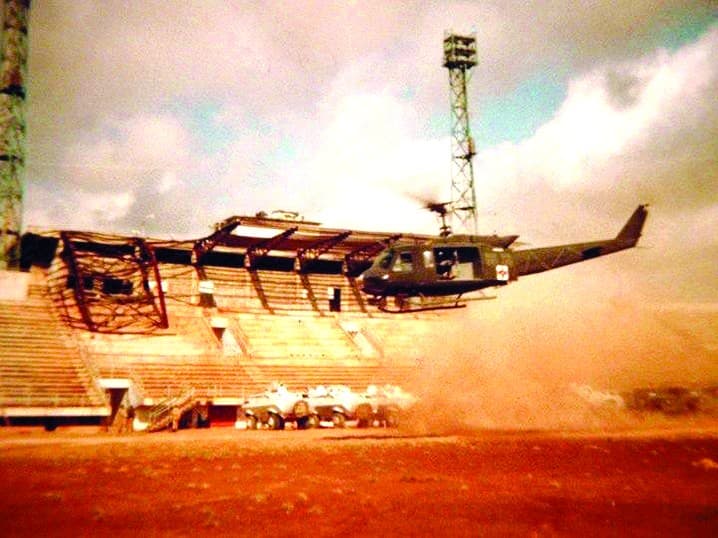
On October 3, 1993, U.S. forces launched a raid in Mogadishu, Somalia, to capture associates of Mohamed Farrah Aidid. The target lay inside a populated city in which streets, crowds and buildings complicated movement. U.S. forces reached the target and seized detainees. Helicopters and a ground convoy were supposed to support a relatively brief operation. The duration changed when armed opponents brought down two Black Hawk helicopters. Saving people at the crash sites became a new task even though the original raid had already reached its target.
How Foreign Troops Had Come to Somalia
Somalia had suffered civil war, the collapse of central government and severe famine. International intervention initially sought to protect humanitarian relief. The United Nations mission later acquired broader responsibilities, and confrontations with Aidid's forces intensified after attacks on peacekeepers. The American force that carried out the October raid was pursuing particular targets in that setting. Keeping the phases distinct explains why an operation remembered for an urban battle belonged to an intervention that had begun with relief. Its responsibilities, adversaries and exposure had all changed before the first helicopter went down.
Two Crash Sites, Different Problems
Aircraft were shot down at separated locations, forcing troops to make choices about where they could reach people and how to keep routes open. Ground vehicles encountered obstacles, hostile fire and confusion about directions. Soldiers who had expected to leave after the capture had to defend positions overnight. A relief effort involving American personnel and Malaysian and Pakistani peacekeepers helped reach trapped troops and evacuate survivors. The multinational rescue matters to the outcome and is easy to miss in an account organized entirely around the first assault force.
The Costs Were Unevenly Recorded
American personnel were killed and wounded, and pilot Michael Durant was captured and later released. Somali combatants and civilians also suffered substantial casualties. Estimates of the Somali toll vary and should not be made to sound as exact as a roster kept by a single military unit. People living in the city experienced the fighting as a danger to homes, families and routes through their own neighborhoods. The streets were simultaneously a battlefield for armed participants and a place from which residents had to find shelter or escape.
A Battle With a Political Aftermath
The battle intensified debate over the U.S. role in Somalia and was followed by a decision to withdraw American forces on a timetable. It did not settle Somalia's political conflict or end the needs that had prompted intervention. October 3 is the date the raid began; the fighting and rescue continued into October 4. The sharp change from capture operation to prolonged rescue explains why the dates are usually paired. The operation's first objective could be achieved while events on the surrounding streets changed its outcome and meaning.
Sources
Found an error? Send a correction. Read our editorial standards.